

Empowering your child to thrive during the school year
Developmental therapy for autistic children that builds connection and emotional regulation through life’s changes.



Support that helps with school readiness and transition
Supporting growth, connection, and confidence in and after-school routines, with care that helps prevent sensory and emotional overload.
Need an autism diagnosis? We offer virtual evaluations from home.

Our Model
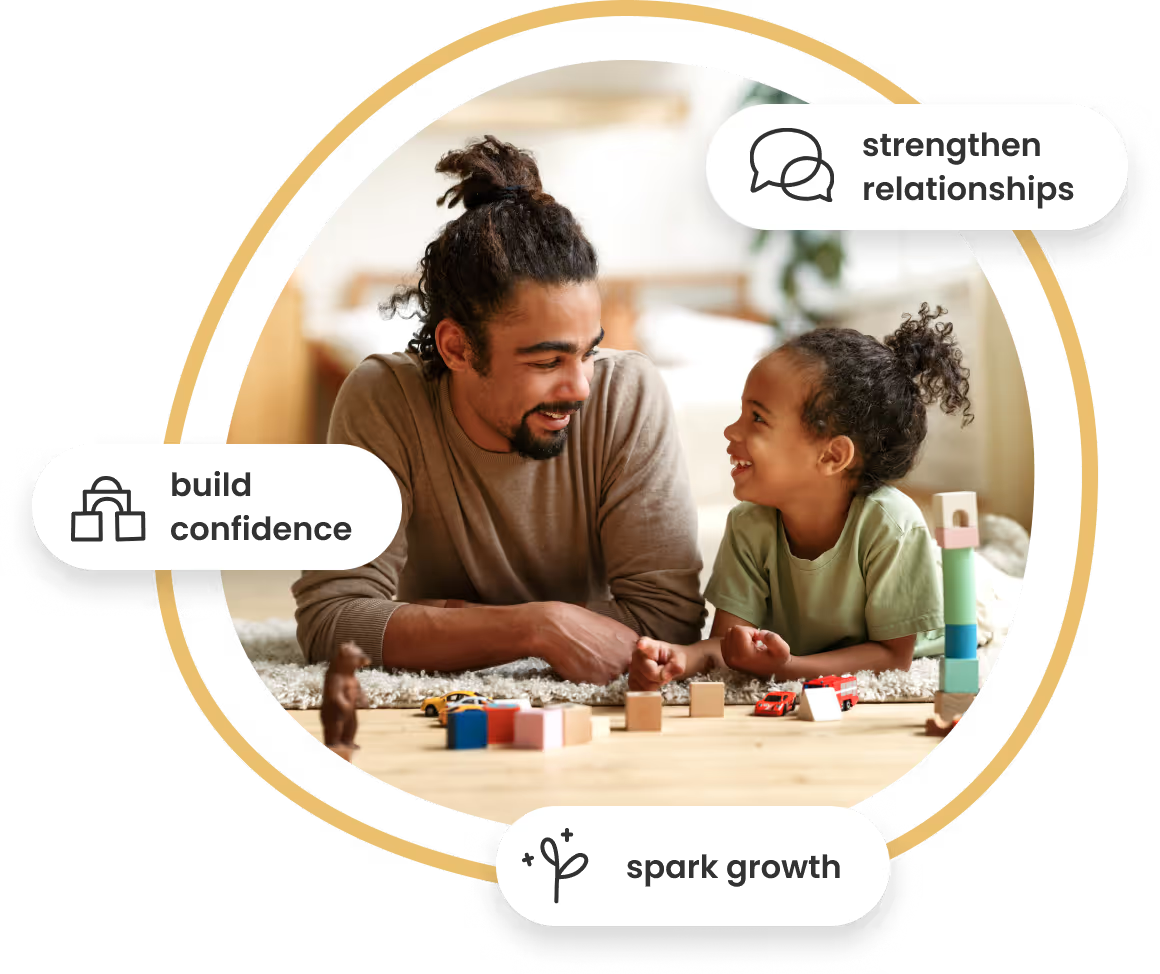
Sparking growth through play
Play helps to understand your child’s communication style, what makes them feel safe, their sensory and emotional needs, individual strengths and interests, and which skills need support.
Focus Areas
Care that looks beyond behavior
We support autistic child through therapy that addresses root causes of behavior, and assist caregivers through parent support sessions, with focus on:

Our Approach
Supporting your child’s growth with you
We help you better support your child’s development by providing the knowledge and skills to carry therapeutic practices into everyday life and strengthen your connection with your child.

Integrated, family-focused care is proven to provide lasting results

versus traditional providers typically requiring 30+ hours per week

Children are more receptive to explore and learn when care is delivered at home
Care that works with a family schedule, not against it
Choose which therapy is the best fit for your family: from home or in-center.
(In-center services are offered to children who need additional support)
In-home care


In-center care


Additional resources
.avif)
Frequently asked questions
Not at this time. Our team works with children in their home or in one of our centers, depending on location. Home provides a familiar setting where we can follow your child's lead.
Our approach supports the capacities everything else grows from: staying regulated, connecting with others, sharing attention, and taking part in back-and-forth interaction. Because these are foundational rather than situation-specific, they continue with your child to the classroom, onto the playground, friendships, and more.
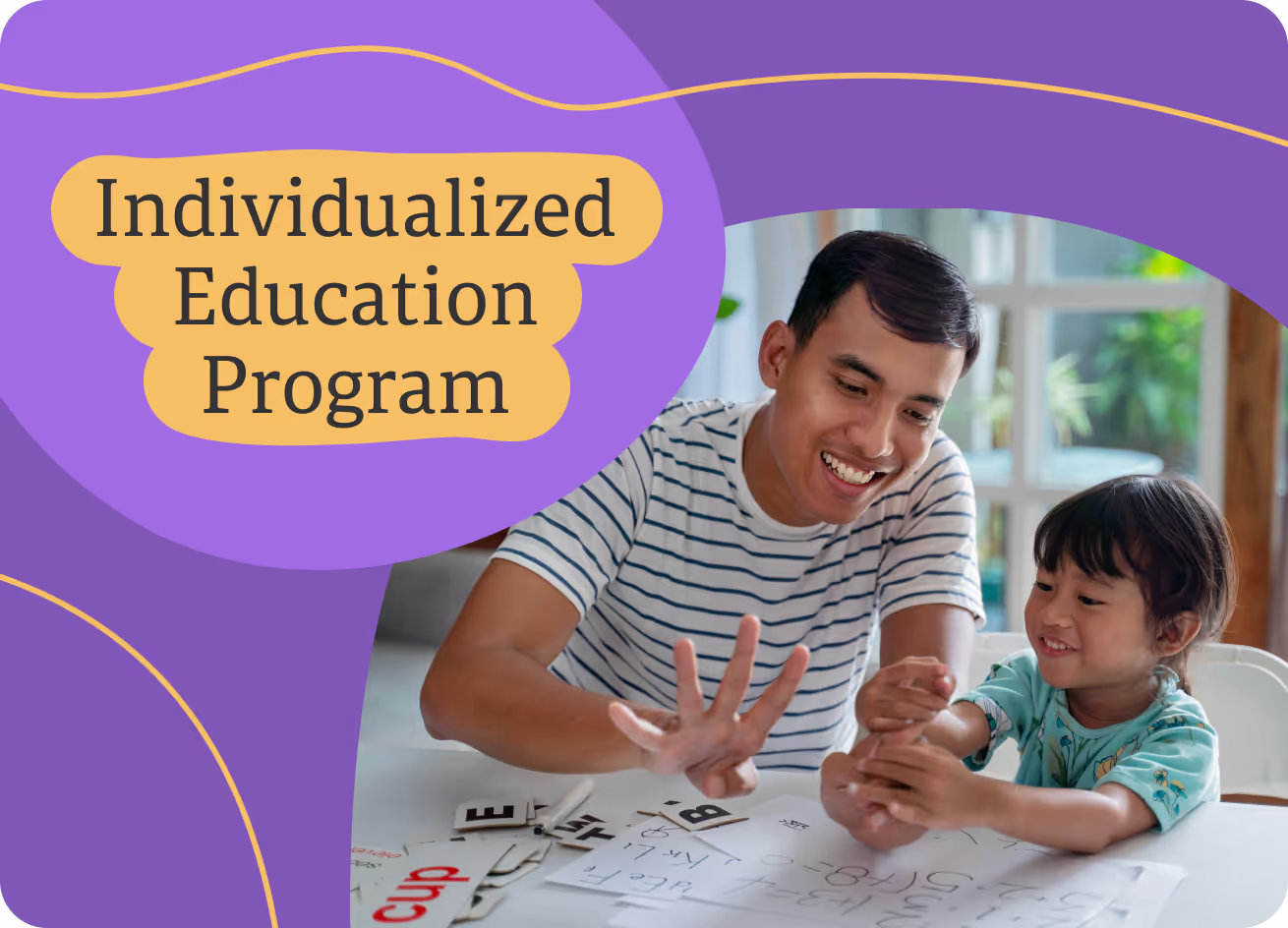
Our therapeutic plans are individualized to your child, instead of using a predetermined program. A clinician spends time getting to know where your child is developmentally and what naturally motivates them, as well as their interests, and they build the plan together with you. Early work usually centers on the foundational capacities: regulation and shared attention, engagement and connection, and two-way communication but always through your child's own interests, at their pace. Caregivers are central to every child’s progress and we highly encourage it.
We generally recommend 6–8 hours per week on a consistent schedule. In relationship-based work, consistency matters more than intensity as progress comes from repeated, predictable opportunities to connect with a familiar partner. That holds whether or not your child is in school, and we revisit it with you as they grow.
A licensed clinician spends time getting to know your child, including how they regulate, connect, communicate and play, and what brings them joy. After, the clinician will share what they observed, your child's plan, and goals that can be worked on together. Assessments vary in length and may take several hours.
We accept many major insurance plans. For the most accurate information about your coverage, please call your plan directly or view our list of covered providers here.