Symptoms of Autism
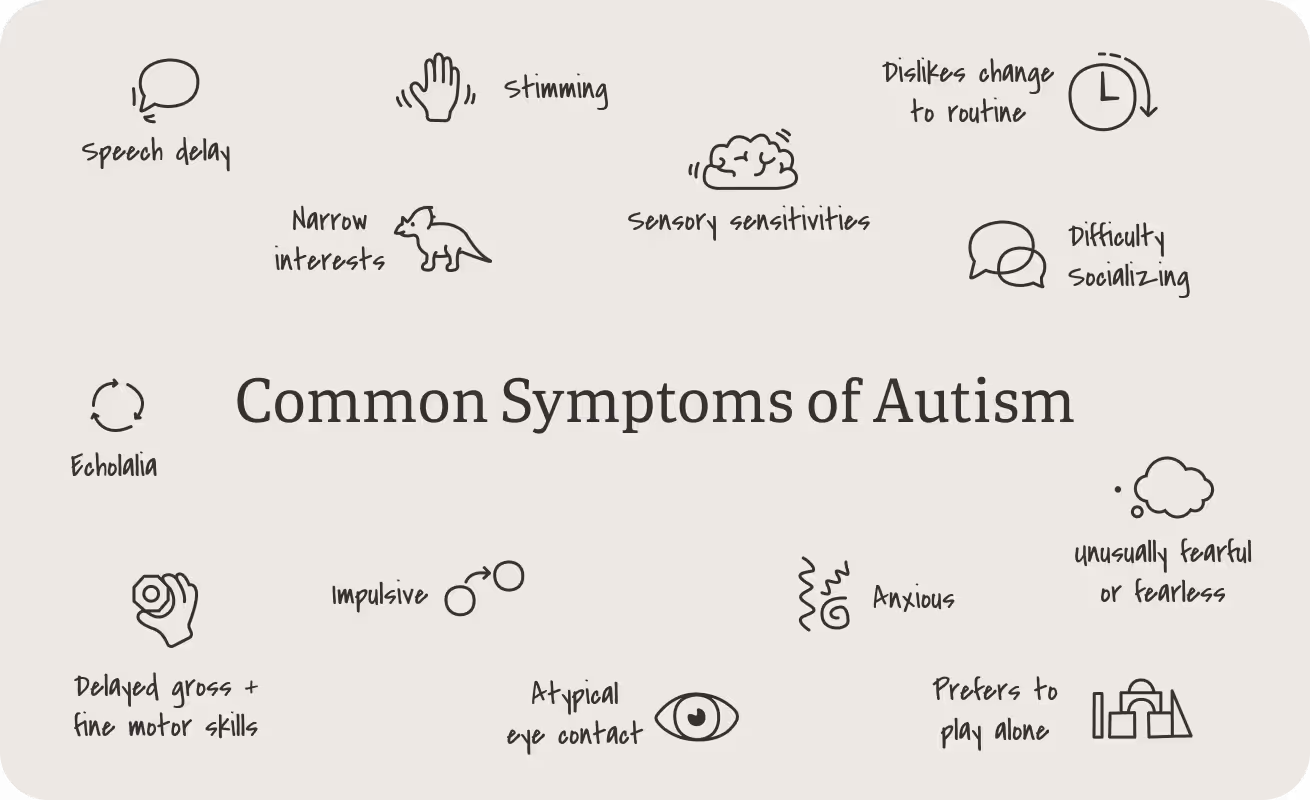
Autism spectrum disorder (ASD) is a developmental condition caused by differences in how a person communicates, interacts with others, and perceives their surroundings. Children diagnosed with ASD experience challenges with social communication and interaction, restricted or repetitive behaviors and interests, and typically display sensory sensitivities. Common symptoms of autism are listed below but its important to remember a child does not have to display all of these symptoms as described to be diagnosed with autism.
- Atypical eye contact
- Prefers to be or play alone
- Difficulty making friends or socializing
- Flaps hands, rocks back and forth, paces, or spins (stimming behavior)
- Delayed atypical use of language
- Repeated use of words or phrases (echolalia)
- Strong reactions to loud noises, bright lights, textures, or tastes
- Plays with toys in unusual ways (lines up objects, views from odd angles, sorts instead of playing, throws or stacks toys etc.)
- Adamant on following certain routines
- Easily upset with change
- Intense or obsessive interests
- Delayed or atypical gross or fine motor skills (problems with running, climbing, jumping, or using utensils, writing implement, buttons, or zippers)
- Toe walking or unusual gait
- Unusually fearful or fearless
- Hyperactive or impulsive behavior
Since children develop at their own pace, it can be difficult to determine if a child is missing important developmental milestones, or merely developing at a slower pace. While some kids may show many early signs and symptoms of autism, others may show few or more subtle features.
If you or your child’s pediatrician have concerns about autism, identifying signs early is an important first step in determining if your child may be on the spectrum and beginning effective interventions. You can read more about the diagnostic process here.

Early intervention is essential and can make a big difference. Finding the right diagnosis and treatment for your child or infant will help them receive the services they need to thrive, further develop, and feel comfortable and safe in their own skin!
For more information on our diagnostic assessments and developmental therapy for autism, contact us at (888) 455-4823