AAC Devices
Augmentative and Alternative Communication, or AAC, refers to tools that support or replace spoken communication with symbols, pictures, writing, or electronic devices. Before diving into the use of AAC options, it’s important to understand the difference between communication and speech, and how AAC can help.
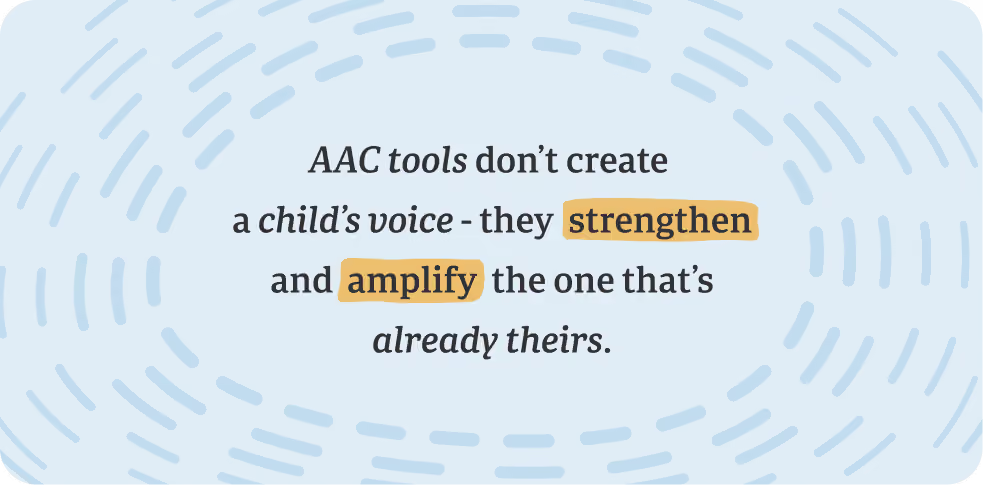
Communication has long been equated to the use of spoken language. On the contrary, communication is simply 'the exchange of information', and that includes much more than spoken words. A more elaborate definition defines communication as 'a process by which information is exchanged between individuals through a common system of symbols, signs, or behavior'. Communication may include non-verbal cues, flash cards, sign language, digital modalities, and more. If your child is making attempts to exchange information or express feelings with you, they are communicating. Communication is in everyone’s nature - it may simply look a bit unconventional and unique depending on the individual.
Speech refers to using one's voice to express a thought through spoken words. For autistic children, speaking can present challenges such as a speech development delay, or difficulty pronouncing certain words or specific letters. Speech-language pathologists, SLPs, are trained to assess and address these challenges, offering tailored strategies and support to help a child improve spoken communication while also ensuring they can communicate effectively through other means. They are equipped to work with individuals facing difficulties in areas such as language comprehension, social communication, non-verbal communication, and motor speech issues.
Clinicians have found that following a child’s lead and using developmental principles in therapy has led to more successful AAC use, especially for children with complex developmental profiles. At Positive Development, SLPs integrate their approaches into the developmental model based on the specific needs and abilities of each child. By using personalized strategies, they help overcome barriers to effective communication through multiple functions: AAC, spoken words, gestures, sounds, songs, phrases, sign language, and more. This promotes progress in both spoken and non-verbal forms of expression.
For non-speaking and/or minimally speaking children, the use of AAC methods can be highly effective. In past, AAC devices have been difficult to obtain due to the high cost of bulky machines. Fortunately, most people today own some type of technology device, and AAC programs are now widely available and more affordable. Most programs are accessible in the form of apps and can be downloaded to tablets or phones.
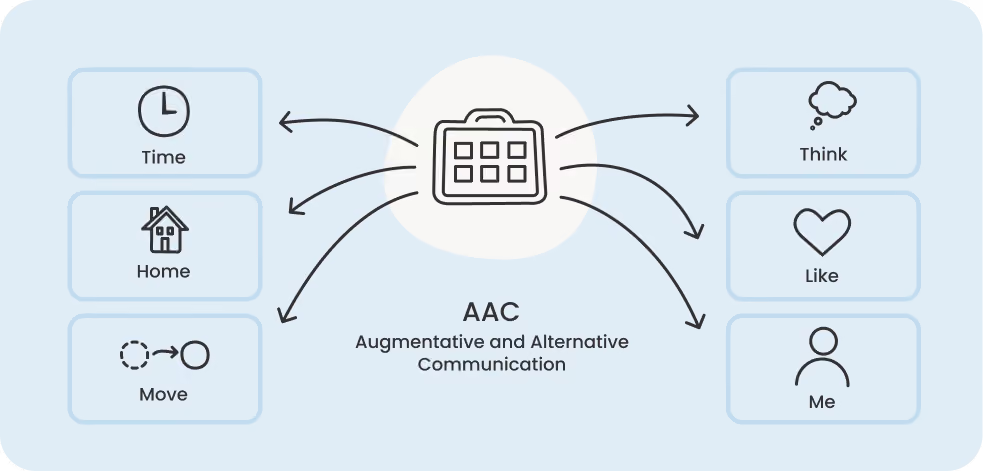
If your child already uses AAC or is just beginning, try giving them opportunities to learn and experiment independently before providing additional support. This can build independence and confidence. Try the following and see how it goes!
- Be present without distractions or an agenda for them
- Observe your child’s actions and affect (emotions or feelings)
- Put yourself in the child’s shoes and reflect on their experience
- Ask yourself: What are they thinking, feeling, wanting, or needing in this moment? Where is their attention and what is their intention?
- Take time to wait, watch, and wonder. This helps to better understand the best way to engage with the child in this moment
For more information on our diagnostic assessments and developmental therapy for autism, contact us at (888) 455-4823